Spring has come
This blog is a personal exploration of Japanese sexual culture—its complexities, contradictions, beauty, and discomforts.
Sexuality in Japan is not easily defined. On one hand, it’s present everywhere: in pop culture, advertising, and daily language. On the other hand, it’s often hidden behind layers of politeness, taboo, or ambiguity. These contrasts—between visibility and silence, intimacy and distance, purity and performance- shape what I want to explore here.
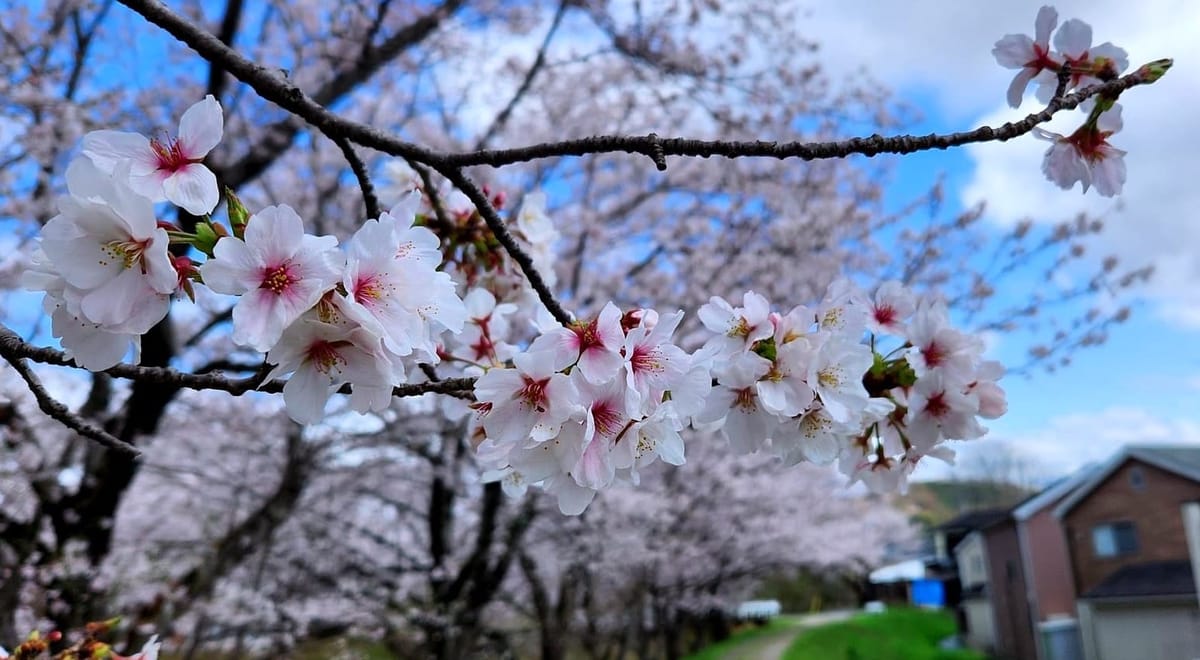
The name of this blog carries several meanings. First, cherry blossoms are one of the most iconic symbols of Japan, so I chose them as a hint that this blog explores Japanese culture. Second, cherry blossoms represent spring — and in Japanese, the kanji for "spring" is often associated with themes of sexuality, including youth romance and friendship (seishun), prostitution (baishun), and specific genres of erotic imagery such as shunga, a style even created by Hokusai Katsushika, one of the most famous artists in Japanese history. You might have seen. On top of that, in English, “cherry” can also refer to virginity. Since this is my first blog, I thought it fitting to include a word that reflects cultural and personal beginnings.
I've been interested in sexuality in Japan for a long time, so long that I can't even remember when I first started thinking about it. My family is very conservative, so talking about sex seems taboo to me in my family. For example, when I bought a bunch of sexual manga when I was a teenager, my aunt told me I was not allowed to buy this content, such as selling human sexuality. Also, I was not allowed to date anyone until I was 28 years old. Also, my dad told me that I shouldn't work at Izakaya because it is one of the kinds of sex workers. I believe that it might make my curiosity about sex bigger. It has been shown from my behavior that I lost my virginity when I was 12 years old and have worked as a hostess. Also, currently, I've watched countless YouTube videos from male and female hosts discussing their work and customers and self-identified virgins talking openly about sexuality, as well as content exploring sexual manga and anime culture. I've also been a fan of certain idol groups, part of a fascinating subculture. When I lived in the U.S., I became more aware of the stark contrast between Japanese and Western norms regarding politeness and openness around sexuality. That difference has stayed with me and continues to motivate me to reflect and write about it.
My goal is not to offer academic analysis or moral judgment, but rather to reflect on what I’ve seen, felt, and questioned as someone living with and observing these cultural expressions. Topics may include:
- Media and entertainment, like idols, manga, and TV
- Norms around gender, romance, and desire
- How intimacy is expressed—or avoided—in public and private life
- My own experiences as a fan, observer, and critic
I write as someone who appreciates many of these cultural forms, but who also sees how power, commercialization, and outdated expectations affect the people within them. I want this blog to be a space for thinking aloud—sometimes critically, sometimes curiously, always honestly.
This is not a blog about sex. It’s a blog about how sexuality is imagined, regulated, consumed, and felt in Japanese culture.
If you're curious, confused, or simply interested in how people express closeness, identity, and vulnerability in Japan, I hope you'll find something here that resonates with you.
Welcome. Let's begin.